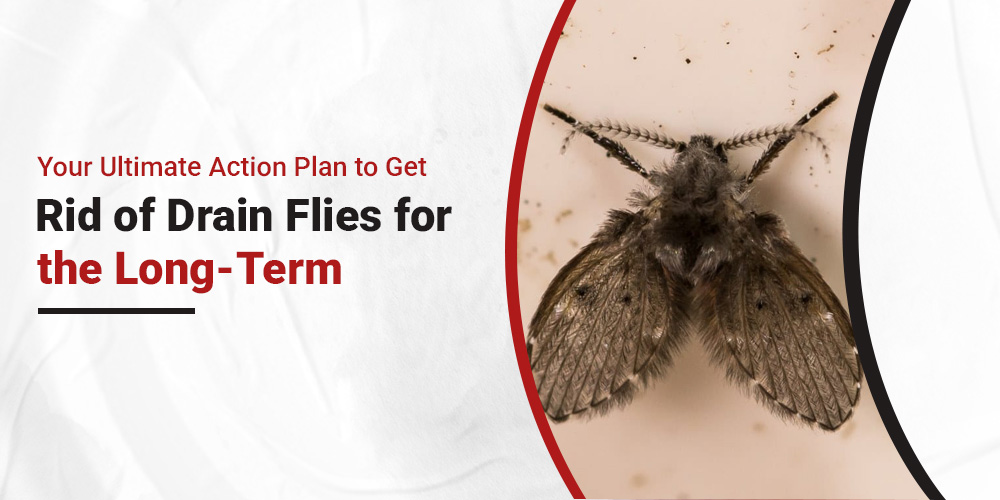
Drain flies are tiny, but they quickly become one of the most frustrating pests for any home, especially when they keep flying around showers, sinks, and floor drains. The sudden appearance of drain flies signals the slow-moving drains, organic buildup, and moisture problems, which make the perfect breeding ground for these fuzzy-winged creatures. In case you notice, they are found in clusters, resting on bathroom walls or flying around the kitchen outlets, and that is the right time for you to take action before the infestation spreads further. A lot of homeowners try surface-level cleaning to get rid of drain flies, but they return after a few days. The real solution here lies in eliminating them from their very source.
Understanding how the pests reproduce and how they thrive is the first step for you to effectively tackle them. In case you want long-lasting results, you will need a strategy that will address both adults and larvae. In this guide today, Supreme PCS will share with you the insights on how to get rid of drain flies for the longest time with the help of professional-grade strategies that eliminate organic buildup, target the breeding sites, ensuring the drainage system is pest-free and clean.
Whether it’s an emerging problem or a recurring infestation, the right treatment plan will help you to:
- Maintain a healthy and fly-free environment
- Remove odors
- Restore hygiene
Why do drain flies recur continuously in your bathroom and kitchen?
Drain flies seem to appear out of nowhere and infest kitchens, bathrooms, and areas where there is a lot of moisture. But their sudden occurrence is anything but random. The pesky pests are naturally attracted to slow-moving drains, organic waste, and stagnant water, the top three conditions that make for a perfect environment for them to lay their eggs and thrive. In fact, even the thinnest layer of biofilm is enough for them to sustain making showers, drains, and the floor traps their ultimate breeding sites.
In the kitchens, grease buildup, damp sponges, and leftover food particles make for additional attractants. When the drains are not clean enough, are not maintained regularly, or create partial blockages, the organic matters start to accumulate. This sludge turns into a food source for the larvae of the drain flies, allowing their infestation to grow silently. On the other hand, bathrooms stay humid for a long time due to poor ventilation and frequent bathing. Water pooling around the shower area, hidden pipe leaks, and unused drains of the guest bathrooms also create ideal conditions for the drain to multiply proactively.
The ability to breed inside the pipes is what makes drain flies particularly persistent when the regular surface cleaning has no effect whatsoever. You can eliminate the adults that fly around, but until the breeding source is effectively eliminated, the flies will keep coming back in just a matter of days. This is why a lot of homeowners struggle hard to get rid of drain flies permanently.
Understanding such causes is crucial for preventing them in the long term. When root issues like organic buildup, moisture retention, and plumbing irregularities are addressed with a professional approach, only then can the infestation be stopped at the very source.
The detailed reasons why drain flies multiply so quickly
Drain flies can multiply proactively because their breeding environment is undisturbed, rich in organic matter, and moist. Unlike other household pests, which rely on the open spaces and food scraps, drain flies thrive inside the plumbing networks, which the homeowners rarely inspect.
The entire lifecycle of drain flies is supported by the presence of biofilm, which is a gelatinous layer of decaying waste lining found within drains. The biofilm offers shelter, humidity, and nutrients, allowing the eggs to hatch and boosting the larvae to rapidly grow.
One of the major reasons for their rapid multiplication is their ability to produce consistently in stagnant water or slowly moving drains. When there is a weak water flow, organic sludge accumulates and builds pockets of breeding zones. Even the tiniest amount of residue is enough to support hundreds of drain fly larvae, which develop in just 48 hours and then mature into adults in just three to four weeks, depending on moisture and temperature levels. Because the kitchens and bathrooms stay humid and the conditions fluctuate rarely, ensuring uninterrupted reproduction.
Another reason is the resilience of multiplying quickly. Their larvae can survive the harshest conditions in the pipes, including low oxygen levels as well as exposure to cleaning chemicals, which cannot penetrate into the thick layer of biofilm.
Additionally, infrequently or unused drains like those in spare bathrooms, balconies, or laundry areas often hold stagnant water for a long time. This makes the prefect hidden hotspots which contribute to sudden outbreaks.
For truly getting rid of the drain flies, it is important to understand such underlying environmental and biological factors. Their quick multiplication stems from conditions within the drainage system, which means only professional targeted treatments can stop their life cycles at the very source and prevent them from recurring.
How to permanently get rid of drain flies
To get rid of the drain fly infestation, you will need systematic and source-focused action plans. Such pests multiply inside the drains, and hence addressing both adults and larvae is crucial for long-term eradication success. Keep reading below, the step-by-step guide which shows exactly how to get rid of drain flies for the long term or permanently.
Clear the organic wastage and slime build-up.
Drain flies breed in the pipelines in the organic sludge. This biofilm is a mix of soap scum, hair, grease, and decaying waste. Begin by removing as much of the waste buildup as possible. Use a long and flexible drain brush for scrubbing the upper portion of the P-trap and pipe. The goal here is to break apart the sticky layer where larvae grow and cling. This step is important as no amount of treatment or cleaning can work unless the breeding medium is removed from the source.
Flush the drain with high-temperature boiling water.
Once the sludge is loosened, pour boiling water into the drain and wash away any remaining debris. The high heat helps in dislodging the biofilm, which was not removed mechanically. Repeat the process two or three times, allowing a few minutes in between the pours. While the boiling water alone cannot kill larvae, it reduces the organic layer significantly.
Use vinegar and baking soda for deep cleaning.
The classic vinegar and baking soda creates a foaming effect and pushes through areas that normal brushes cannot reach. Pour half a cup of baking soda into the drain, followed by one cup of vinegar, which will create a fizzy mixture that penetrates the sides of the pipes. Allow it to sit for at least 30 minutes and then flush it with hot water. The mixture helps in neutralizing odors, creating a cleaner and less hospitable environment for the drain fly larvae to thrive by breaking down the grease.
Entrap the remaining adult drain flies.
Adult drain flies, which have already emerged, will continue to hover across bathrooms and sinks. You can use sticky traps, bowls of ACV, or light-based traps that capture them. Trapping the adults does not eliminate the source but speeds up the process of clearing the infestation, once the drains have been treated.
Apply drain fly treatments like gels, foams, and enzymes.
When the approaches mentioned above do not work, it’s time for you to call the professionals from reliable extermination service providers like Supreme PCS. The professionals use targeted treatments for the flies that are specifically designed to destroy the larvae and biofilm. Enzyme-based expanding foams and gels are the most effective options because they easily cling to the walls of the pipes longer than liquid cleaners. The chemical digests the organic residue and seamlessly reaches deep into the curves as well as narrow pipe sections. Apply the product at night so that it works uninterrupted for prolonged hours and prevents the cycles from repeating.
Natural remedies that work effectively against the drain flies
Natural remedies are surprisingly effective when correctly used, especially in moderate to mild environments. Of course, they can never replace professional treatments in case of severe infestations, but they can significantly reduce the activities of the drain flies and maintain clean as well as healthy drains.
Flushing boiling water
Boiling water remains one of the top, simplest, and reliable natural approaches. When it is poured directly into the drain, the hot water effectively softens the organic buildup, melts grease and washes away the early stages of larvae. Though it may not penetrate through the deep biofilm by itself, it can effectively break the breeding processes and reduce the reappearing hatch cycles.
Rinse with citrus peel enzyme.
Citrus peels of oranges and lemons naturally release enzymes that help in breaking down the organic materials in the drain. When boiled and then steeped into a concentrated rinse, the solution can be poured into the bathroom and kitchen outlets for dissolving food residues, soap scum, and grease. The natural oils inside citrus peels also disrupt moist environments where larvae develop seamlessly. Beyond just controlling the activities of drain flies, this remedy leaves behind a clean and fresh scent that discourages the adult drain flies from hovering near the drain opening.
Bio-enzyme natural cleaners
Unlike the chemical-based drain cleaners, natural bio-enzyme formulas use plant-based enzymes for digesting the organic sludge inside pipes. Such enzymes target bacteria that the larvae feed on, gradually breaking down the biofilm over several hours. These enzymes are safe for septic systems, pipes, and the entire environment. Bio-enzymes reach deeper into the narrow and curved sections of plumbing and help eliminate the hidden breeding pockets which manual scrubbing or boiling hot water may miss. Frequent use supports long-term efforts to get rid of drain flies sustainably and naturally.
Light-powered traps for adult drain flies.
When the adult flies appear around sinks, you can use low-intensity light traps, which are naturally effective methods. Drain flies are strongly attracted to dark spaces or areas with soft lights. A simple plug-in LED trap can be placed near a shallow dish of soapy water, which will lure as well as capture these flies without using any harsh chemicals. The approach particularly works well in homes where vinegar smells, fragrances, and essential oils are not preferred. Removing the adult flies helps in reducing their immediate nuisance, while the deeper drain treatments combat the thriving of larvae.
The best professional products that eliminate drain fly infestations
When regular cleaning and home remedies fail to get rid of drain flies, professional-grade products offer better solutions. These products are created for target breeding zones inside the drainage systems and eliminate all life cycle stages of the drain fly.
Below, we mention the most effective professional options that are used by the specialists while helping homeowners to get rid of drain flies.
The microbial drain restorers
Microbial restorers consist of highly concentrated bacterial cultures that aggressively consume the organic matter inside drains. Unlike the simple enzyme cleaners, these microbial blends continue to multiply post-application, breaking down the sludge for many hours. This extended action supports restoring the drain flow, eliminating thick organic film, and reducing moisture where the drain fly larvae grows. This solution is ideal for the chronic infestations that are caused by long-term buildup.
Industrial strength oxidizing cleaners
Drain oxidization treatments work by releasing oxygen-rich compounds that lift up and break apart the biofilm layers. These cleaners are particularly useful in drains with heavy food residue, soap scum, and grease deposits. The released oxygen creates a bubbling action which pushes through vertical and bendy sections of the pipes. Pest control professionals often use such products as a first line of treatment before applying long-acting solutions.
High-viscosity pipe coating solutions
They are highly specialized products that form a temporary protective layer inside the walls of pipes after application. This coating prevents the development of new biofilms while suffocating any remaining larvae embedded in the organic layer. Because the coating creates a barrier, it is commonly used in hotels, restaurants, and high-usage residential drains where infestations frequently occur. The method is particularly effective when paired with regular maintenance treatments.
Commercial flushers for the drain line
These are high-volume liquid treatments that are designed for the deep sections of plumbing lines, which cannot be accessed from drain openings only. Professionals use them for flushing the entire system of drainage, dissolving the buildup along the way. They are crucially beneficial in multi-drain homes, properties with interconnected drainage lines, and older plumbing networks where one untreated section can affect the other.
Ultraviolet fly magnet devices
Larvae control happens inside the drain, and UV-based devices help in reducing adult fly populations externally. The units attract the adult drain flies by using specific wavelengths of light and trap them without any fragrances or chemicals. These devices provide quick relief from swarming drain flies while the internal treatments work on eliminating the root cause.
How to stop the recurrence of drain flies for the long term.
Preventing the recurrence of drain flies is just as important as eliminating the existing level of infestation. These pests thrive in neglected and moisture-rich spaces, and hence, the long-term prevention revolves around proper plumbing care and consistent maintenance to keep the organic buildup under control. With the correct habits, you can effectively get rid of drain flies for the long term and prevent them from taking over the bathroom and kitchen again.
Clean and maintain fast-flowing drains
Slow drains make stagnant pockets where debris, grease, and slime accumulate, exactly the condition in which drain flies need to thrive. Ensure that the shower drains, floor drains, and sinks flow smoothly. If water drains slowly or pools, you must immediately clear the blockage. A monthly flushing routine using hot water helps in preventing all residues from hardening.
Maintain low moisture levels.
Drain flies thrive in damp environments. Leaking pipes, sink cabinets, poorly ventilated bathrooms, and loose taps create an ideal condition for them. Inspect for any hidden leaks behind bathtubs, around washing machines, and under sinks. Use the exhaust fans during and before showers to reduce humidity and keep surfaces dry whenever possible.
Seal the rarely used or unused drains.
Floor drains in laundry rooms, guest bathrooms, and storage areas are often forgotten areas. When such drains are not used, the water inside the trap evaporates and directly opens a pathway to the sewer lines into your home. You must regularly pour water into these drains weekly to restore the seal of the trap. You can also add a little bit of mineral oil on top of the water to slow down evaporation.
Install filters and drain screens.
A simple physical barrier can drastically reduce the chances of insects entering through these drains. Fine mesh-covered drains prevent hair, food scraps, and other debris from entering the plumbing systems and reduce organic buildup. The step is effective, particularly in kitchen sinks, where wastage and grease accumulation are pretty common.
Use the monthly preventive treatments.
Even when you get rid of drain flies, professional maintenance keeps your pipes clean from developing another biofilm. The monthly usage of microbial drain treatment or enzyme-based cleaners prevents sludge from forming the film again. These solutions help in maintaining a sanitary drain environment without the need for harsh chemicals.
Keeping the surrounding areas clean
Drain flies not only rely on the unmaintained drains, but soggy floors, garbage bins, dirty sponges, and wet mops, too, can become moisture hubs. You must replace the old sponges regularly, ensure the garbage bins are tightly sealed and dry, and clean the under-sink mats.
When DIY does not work, it’s time to call pest control.
DIY methods are helpful for mind infestation problems of drain flies, but they often fail when the pest problem progresses beyond the surface level. A lot of homeowners rely on light traps. Vinegar mixtures and boiling water for combating the pests that have already surfaced. But the truth is, DIY approaches never address the breeding problems of drain flies inside the drainage systems. Understanding these limitations will help you to decide when it is the right time to call professionals and truly get rid of drain flies for the long term.
DIY methods do not reach deep into the breeding zones
Drain flies, as mentioned earlier, lay eggs in the gelatinous and sticky layer of organic sludge that is hidden inside overflow lines, floor traps, and pipes. The biofilm can be extremely difficult and inches deep to get removed without the help of professional tools. While DIY cleaning only treats the upper part of the drain, larvae stay safely embedded deep inside the pipeline, continuing the infestation.
Misdiagnosis, too, is common with drain flies.
It is very easy to mistake the drain flies with fruit flies as well as fungus gnats. All these pests need a different approach to elimination. DIY attempts often target the wrong species, enabling the actual infestation to thrive without notice. Pest control experts can easily identify the exact points of breeding, whether it’s an HVAC condensation line, grease trap, sump pit, or drain.
Hidden issues with plumbing
Quite often, drain flies signify a bigger underlying problem, like a deteriorated P-trap, clogged vent stack, sewage line backup, or a broken pipe. DIY solutions can never address defects in structural plumbing. Professional exterminators conduct smoke tests, leverage inspection cameras, and use moisture meters for detecting cracks and hidden leaks, which might fuel the infestation.
DIY offers temporary relief instead of permanent results
The Homemade treatments may kill the visible flies or even dissolve a certain amount of slime, but they cannot break the full lifecycle of the flies, remove built-up sludge, and sterilize the pipelines. Without a thorough process of sanitation, drain flies will reappear even after the days of cleaning. Pest control service providers leverage microbial solutions, industrial-grade foams, and high-pressure equipment that are specifically designed for removing biofilm.
When you should call pest control
One should seek help from professional exterminators when:
- Flies reappear quickly after a temporary reduction
- You suspect damage or leakage of pipes
- A foul smell of sewage is coming from the drains
- Multiple drains across the home are affected
- You cannot detect the breeding source
- Drain flies persist for more than two weeks even after cleaning
Facing drain fly issues at home or office?
Choose Supreme PCS as your professional aid to get rid of drain flies
Choosing Supreme PCS’s exterminators to get rid of drain flies means that you are relying on a pest control provider that has years of experience in insect management with precision. We offer comprehensive treatment and inspection services that directly target the breeding sites, instead of just spraying surfaces. Supreme PCS uses skilled technicians and industry-approved methods for delivering effective as well as long-lasting results, whether commercial or residential.
With a robust track record of professional service, satisfied customers, and expertise, we treat infestations thoroughly and prevent them from recurring with the aim of providing a lasting relief from drain flies and many other pests.
Conclusion
Using the right methods and acting quickly is crucial for fully resolving any problem involving drain flies, both at home and in the office. While the DIY approaches may help with early signs, recurring or severe infestations demand the intervention of experts. With the help of advanced tools, proven treatment strategies, and thorough inspections, Supreme PCS ensures that the drains around your property are clean with eliminated breeding sites and effective prevention of future outbreaks, giving you a healthier and cleaner pest-free environment.
Frequently Asked Questions (FAQs)
What are drain flies? How do I know I have them?
Drain flies are fuzzy and small insects that breed in the organic and moist buildup inside drains as well as pipes. You can see them hovering near shower drains or sinks, often in warm areas that have a slow flow of water.
What is the ideal way to get rid of drain flies at home?
The most effective way to get rid of drain flies at home is the elimination of their breeding source through thorough cleaning of the drains, removal of organic sludge, and maintaining fast-flowing and dry pipes.
Are there products that help in the permanent elimination of drain flies?
Yes, the specialized drain treatments and enzyme-based cleaners effectively break down the organic matter deep within the pipes, helping to stop the breeding cycles and keep the drains free from the return of drain flies.
Why do drain flies resurface after cleaning drains?
Drain flies return when the moisture or residual biofilm remains in the pipes, because larvae continue developing where the cleaning approach did not. Targeting the breeding sites is crucial to truly get rid of drain flies.

supremepcs